Loading…

How to choose Christmas chocolates in India: reading the label for real cocoa butter, flavours that go with plum cake, stocking fillers, chocolates for carol singers and Secret Santa, and keeping it all perfect until the 25th.

Faaro Editorial
Editor
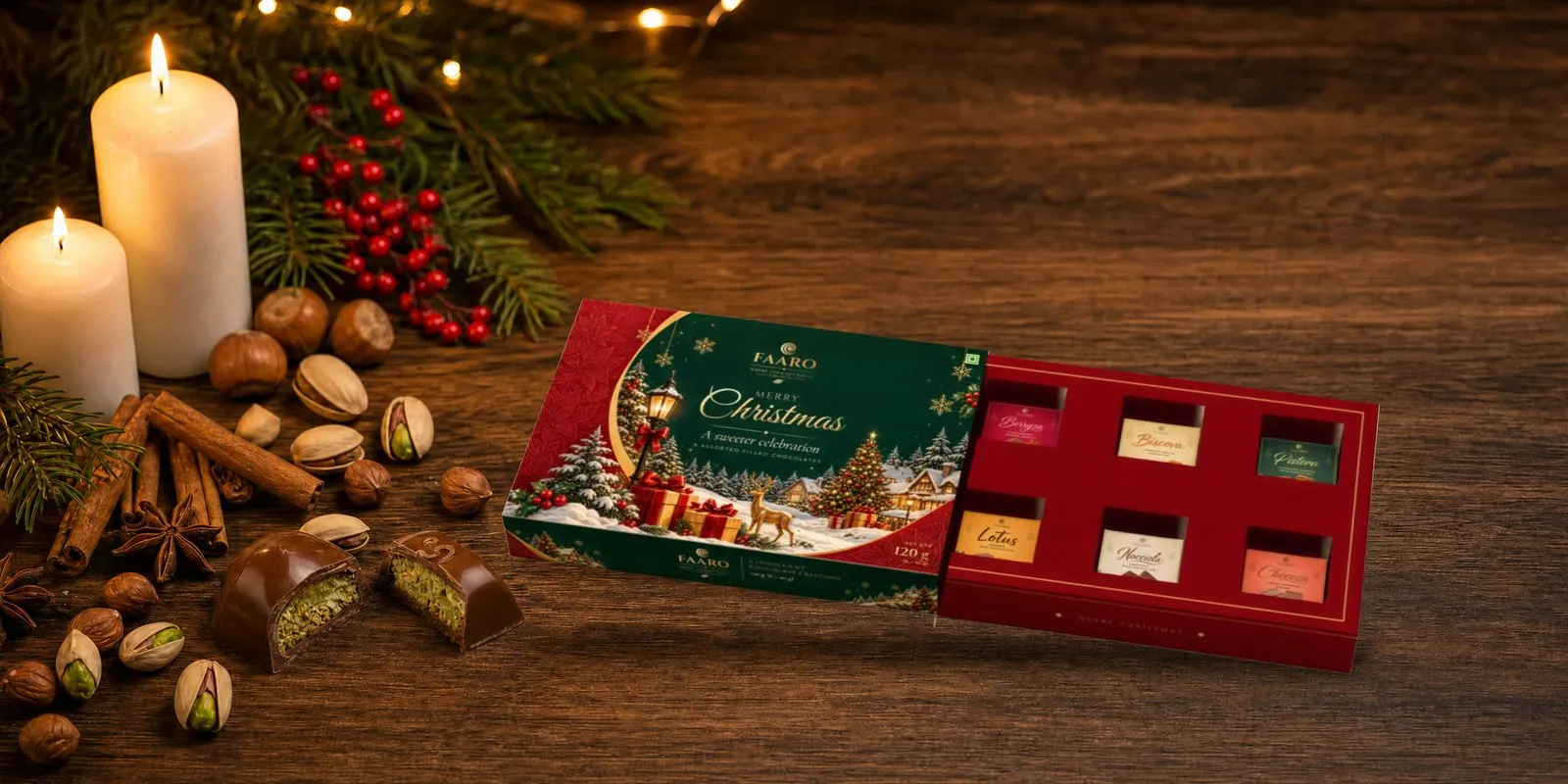
Christmas in India has always had its own sweet table — plum cake everywhere, kulkuls and marzipan in Goa, achappam and home-made wine in Kerala — and chocolate has quietly taken a place on it. It goes into stockings, onto the plate for the carol singers, into the Secret Santa bag and beside the cake when the neighbours visit. This guide is about choosing Christmas chocolates well: telling real chocolate from the waxy kind, flavours that sit happily beside spiced cake, stocking fillers, and keeping it all perfect until the 25th.
The most useful thing you can do before buying Christmas chocolates is turn the box over. Two products can look the same on a shelf and be very different inside.
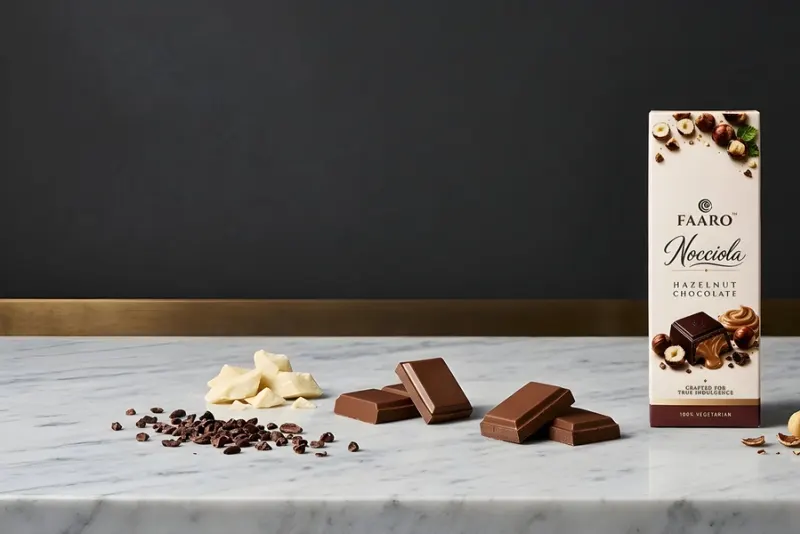
Real chocolate uses cocoa butter as its fat. Under FSSAI's chocolate standard, a product sold as chocolate may contain vegetable fats other than cocoa butter only up to 5% of the finished product, and when it does, the label must say so in bold. Beyond that limit it cannot be sold as chocolate at all. Products built on cheaper vegetable fats are what the trade calls compound chocolate — more forgiving in heat, but waxy, coating the mouth instead of melting cleanly.
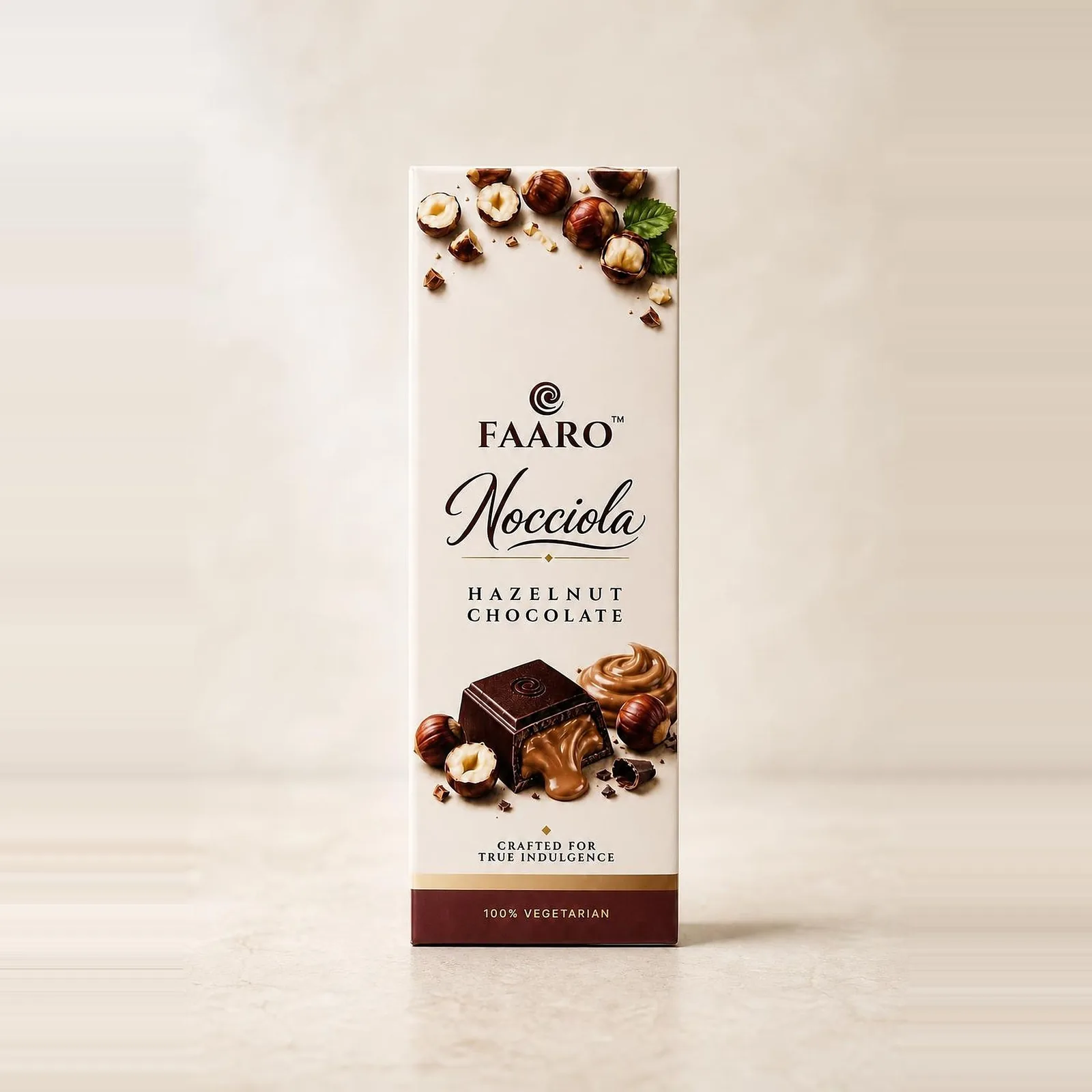
The full story — FSSAI's standard, and what "couverture" means on an Indian label — is in couverture vs compound chocolate. Every FAARO chocolate is made with cocoa butter, never vegetable fat.
Christmas food is spice, dried fruit, nuts and caramel. The chocolates that disappear first are the ones that echo those flavours rather than fight them.
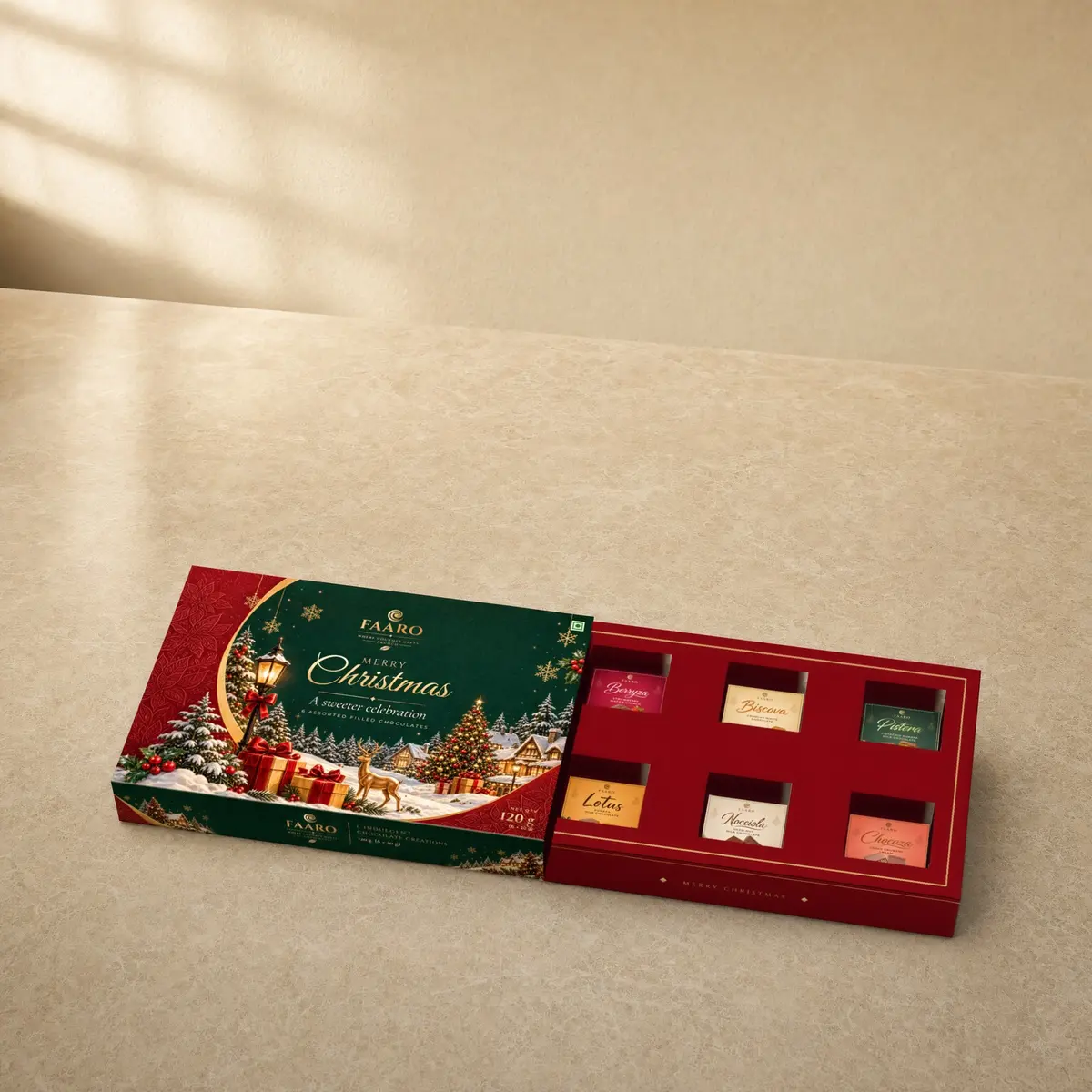
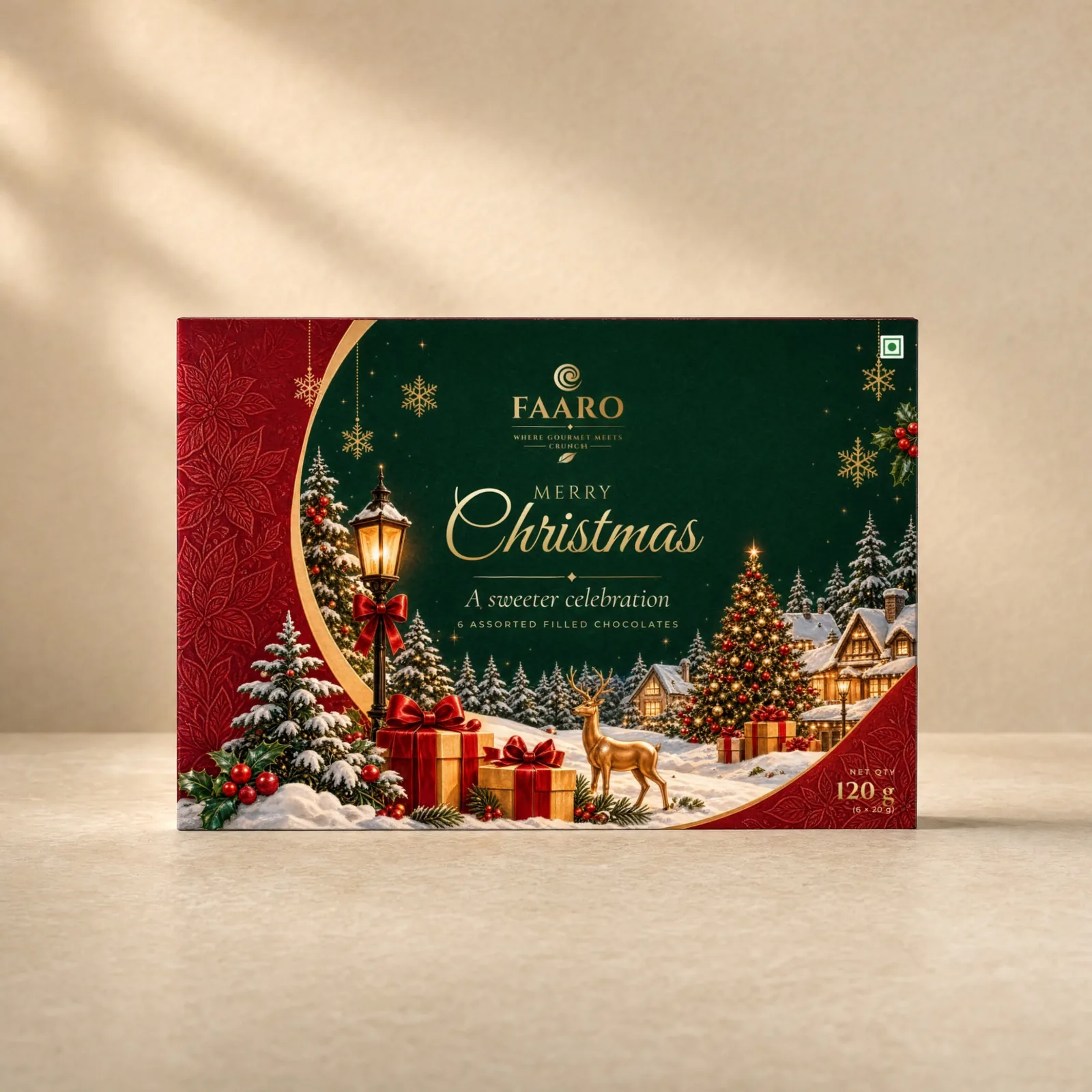
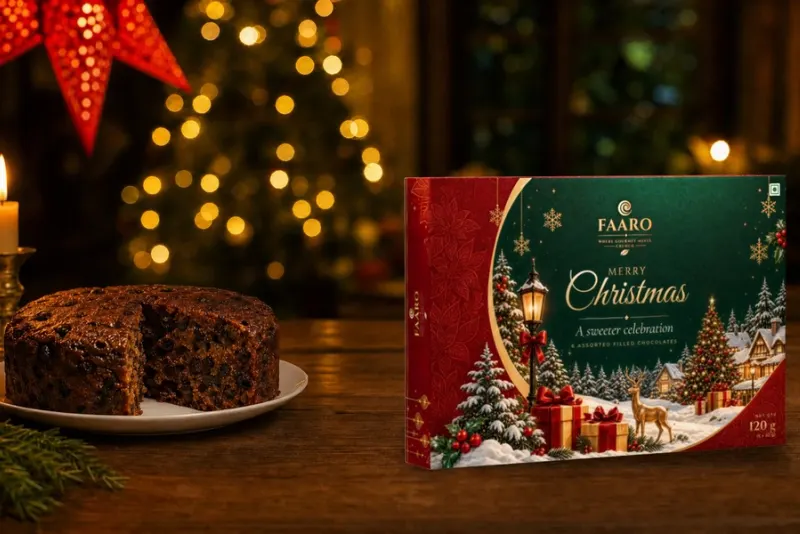
Six of these come together in the FAARO Christmas gift box — Berryza, Biscova, Pistera, Lotus, Nocciola and Chocoza, one of each, 120 g in all, ₹349 — the simplest way to give the whole range at once.
Different moments of the season call for different sizes. A rough guide:
Chocolate's enemies are heat, humidity, light and strong smells. Callebaut, the Belgian couverture maker, recommends 12–18 °C; Valrhona says 16–20 °C, dry and away from light. December is the gentlest month for chocolate in most of India, but a Chennai or Kochi afternoon can still pass 30 °C, so the coolest closed cupboard in the house is still the place for it. The FAARO Christmas box asks for below 20 °C, away from sunlight.
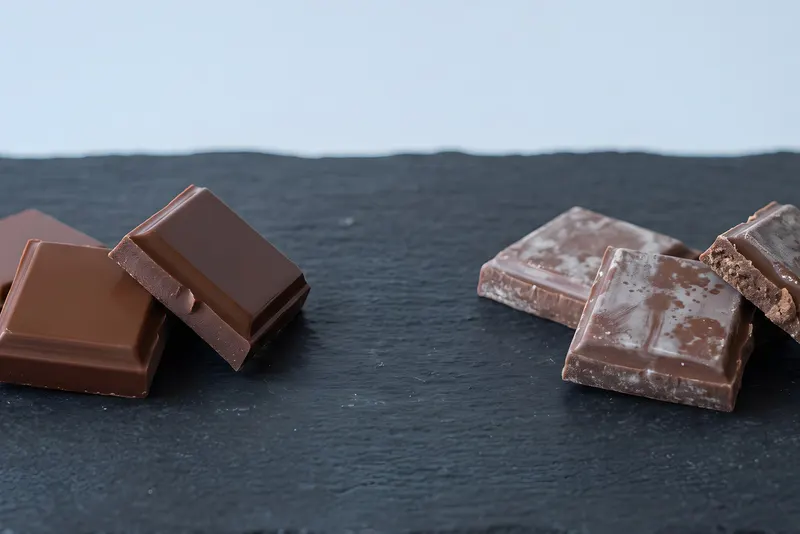
If a bar comes out with a dull white film, it is almost certainly bloom — safe to eat, just less pretty. Why it happens is in why chocolate turns white.
All FAARO chocolates are vegetarian. The Christmas box contains milk, wheat, hazelnut and pistachio, and may contain soy, peanuts and traces of other nuts, so it is not for anyone with a nut or gluten allergy. Families keeping the December fast that avoids dairy will want to keep milk and white chocolate back until Christmas Day. The full declaration is on every pack and product page.
Real chocolate made with cocoa butter, in flavours that suit the season — hazelnut, pistachio, caramelised biscuit, fruit and nut — in a festive box that needs no wrapping. An assortment suits a whole family better than a single flavour. Check the ingredient list: vegetable fat in the chocolate means compound chocolate, not the real thing.
Small bars of 10 g to 20 g, in three or four different flavours, are the best stocking fillers: they fit, they keep, and children like the variety. FAARO's 10 g bars are ₹30 and its 20 g bars ₹50–₹70 on faaro.shop.
Sealed chocolate kept cool and dry lasts for months; the best-before date is printed on the pack. The FAARO Christmas box is best before 12 months from packing, stored below 20 °C away from sunlight. Filled chocolates taste freshest well within that date, so a box bought in early December is perfect on Christmas Day and still good at New Year.
Keep chocolate cool (roughly 15–20 °C), dry and dark, in a closed cupboard away from candles, fairy lights, sunny windows and the oven, and sealed away from strong smells. Put gifts under the tree on Christmas Eve rather than days before, and never leave chocolate in a parked car.
Generally no. Chocolate makers such as Callebaut advise against refrigeration because the fridge is humid and full of smells, and condensation causes sugar bloom. In December most Indian homes have a cupboard cool enough; if yours does not, wrap the chocolate airtight, refrigerate it, and let it return to room temperature in its wrapping before opening.
Yes. Every piece in the FAARO Christmas gift box is vegetarian. The box contains milk, wheat, hazelnut and pistachio, and may contain soy, peanuts and traces of other nuts, so check with anyone who has a food allergy before giving it.
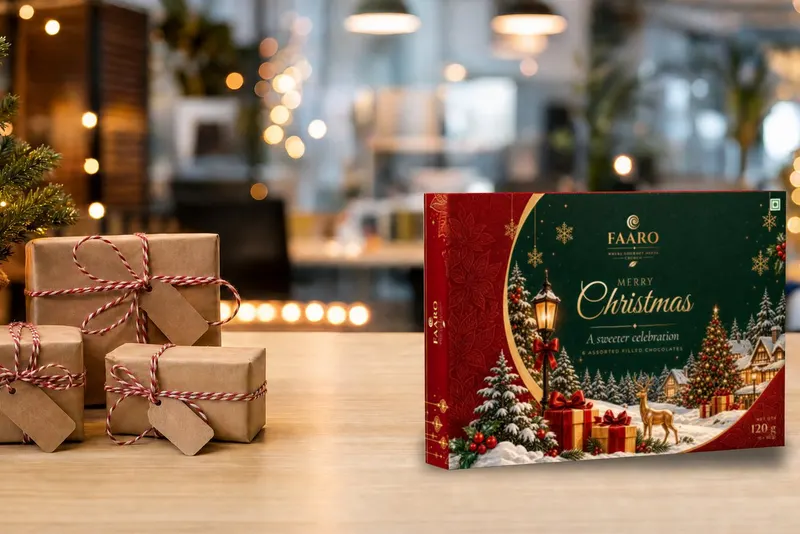
The FAARO Christmas gift box is ₹349 on faaro.shop. It holds six 20 g filled chocolates — Berryza, Biscova, Pistera, Lotus, Nocciola and Chocoza — 120 g in total, in a green, red and gold sleeve with a slide-out drawer.
Choose real chocolate, keep it cool, and put it on the plate beside the cake. For help choosing the box rather than the chocolate inside it, see our Christmas gift box buying guide.
Share this article
From The Range
Keep Reading
A buyer's guide to Christmas gift boxes in India: the six questions every box should pass, plum cake vs chocolate vs hampers, what to spend by relationship, how Kerala keeps Christmas, and when to order for 25 December.
Secret Santa gift ideas for the office in three budgets — under ₹300, under ₹500 and ₹1,000 — what to avoid, the rules that keep it friendly, and when to hold the exchange for Christmas 2026.
Couverture uses cocoa butter; compound uses vegetable fat. What FSSAI actually requires, six ways to tell the two apart on an Indian shelf, and how to read a chocolate label.
The white film on chocolate is bloom, not mould, and it is safe to eat. How to tell fat bloom from sugar bloom, why Indian heat causes both, and how to store chocolate properly.