Loading…

The Nendran banana is not a fruit — it is a cooking ingredient. With 41g of carbs per 100g and unmatched starch content, here is why no other banana can replicate its crunch.

Faaro Editorial
Editor
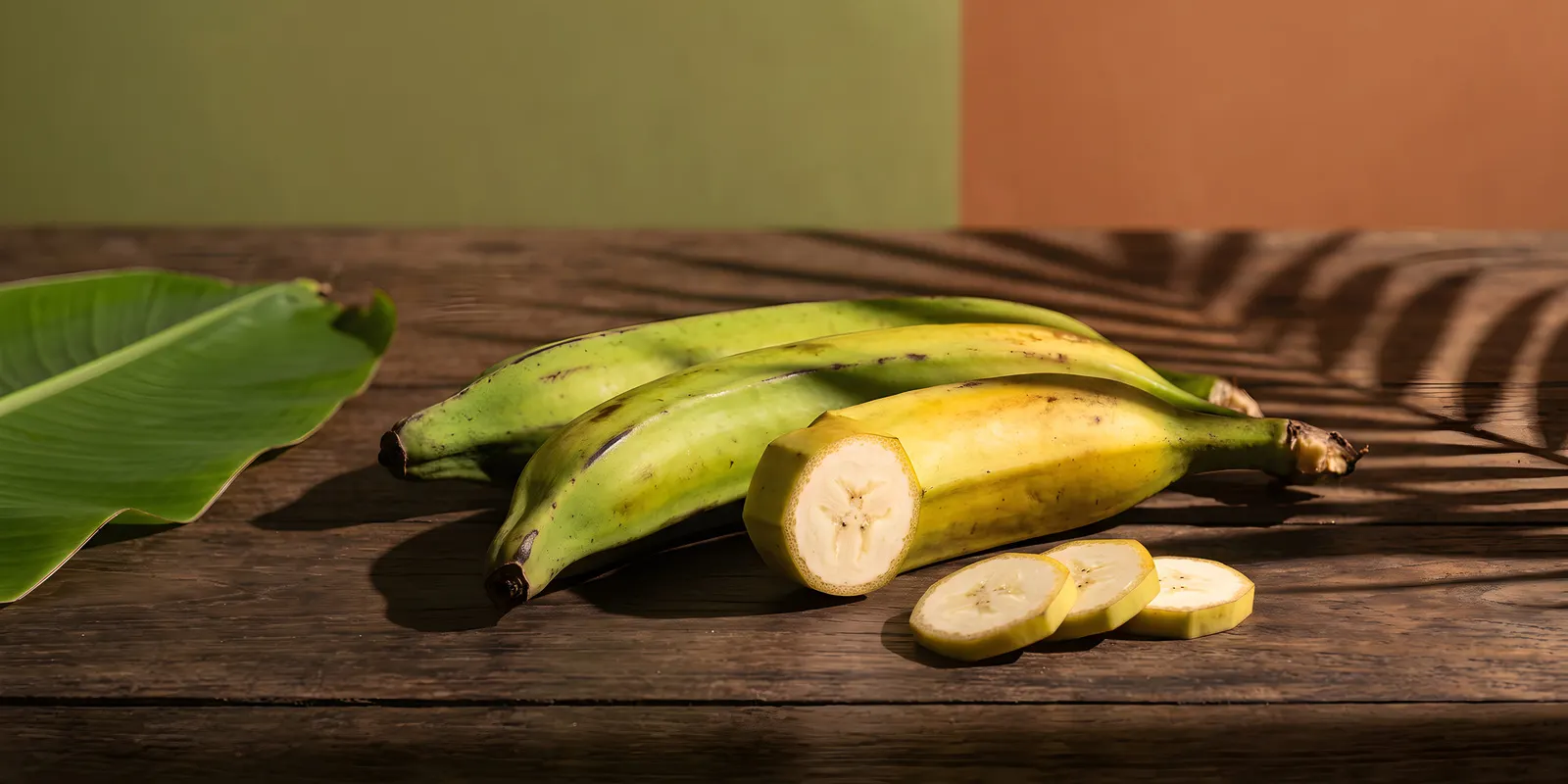
Every story we have told so far — from the 2,000-year history of banana chips to the nutritional comparison with potato chips to the role of coconut oil in snack making — keeps circling back to one ingredient: the Nendran banana. It is time to give this remarkable fruit the spotlight it deserves.
Walk into a fruit shop anywhere in the world and you will likely see Cavendish bananas — the slim, bright yellow variety that dominates global trade. Now walk into a Kerala market and look for the Nendran. It is almost comically different.
This is not a dessert banana. This is a cooking banana — closer in function to a potato than to the fruit you slice onto cereal. And that starchy, firm character is exactly what makes it irreplaceable for chip making.
The secret is in the numbers. Nendran bananas contain roughly 41 grams of carbohydrates per 100 grams, with a significant portion being resistant starch. This is considerably higher than Cavendish bananas (23g) or even regular cooking plantains (31g).
When you slice a high-starch banana thin and drop it into hot oil, several things happen simultaneously:
A low-starch banana cannot do any of this well. It has too much moisture and sugar, producing chips that are soggy, overly sweet, and stale within hours. This is why chip makers across Kerala and Tamil Nadu refuse to use any other variety.
Among Nendran varieties, one stands above the rest: the Chengalikodan Nendran from Thrissur district. In 2015, it received a Geographical Indication (GI) tag — the same kind of protection given to Darjeeling tea, Champagne, and Parmigiano-Reggiano.
The Chengalikodan is distinguished by its slightly reddish skin, larger size, and a subtly sweeter flesh compared to other Nendran varieties. It is considered the premium choice for both chip making and Kerala's beloved pazham pori (banana fritters).
A GI tag means only Nendran bananas grown in the Chengalikodan region of Thrissur can legally use the name. It protects the variety from imitation and ensures quality standards are maintained.
Banana chips may be the most famous use, but Nendran plays many roles in a Kerala kitchen:
Pazham Pori (Banana Fritters): Ripe Nendran slices dipped in a sweetened flour batter and deep-fried. The combination of caramelised banana and crispy batter is perhaps Kerala's most popular teatime snack after chips.
Ethakka Appam: Mashed ripe Nendran mixed with rice flour, jaggery, and coconut, shaped into discs and shallow-fried. A traditional sweet preparation for festivals.
Pradhaman / Payasam: Ripe Nendran simmered in coconut milk with jaggery to create a rich, creamy dessert. Ethakka pradhaman is an essential part of the Onam Sadya feast.
Steamed and Mashed: Raw Nendran, steamed until tender, is a breakfast staple in many Kerala homes. Served with a spicy chutney or simply with coconut oil and salt.
Baby Food: Steamed and mashed Nendran is often the first solid food given to infants in Kerala. Its high nutrient density and easy digestibility make it ideal.
Nendran cultivation is not simple. The plants take 12 to 14 months from planting to harvest — significantly longer than the 9 to 10 months for Cavendish. Each plant produces only one bunch, and each bunch yields 5 to 8 hands of bananas.
The plants are vulnerable to Panama disease (Fusarium wilt), leaf spot diseases, and pseudostem weevils. Kerala's humid tropical climate, while perfect for growth, also encourages fungal infections. Farmers must balance irrigation, drainage, and disease management constantly.
Most Nendran farming in Kerala is done on small family plots of 1 to 3 acres. These are not industrial plantations. They are the same farms that have been growing bananas for generations, using knowledge passed down through families.
The best Nendran for chips is harvested at a specific stage — fully grown but still bright green, before any hint of ripening begins. Even a day late, and the sugar content rises too high for proper chip making.
At Faaro, we source our Nendran bananas from farmers in Kerala's traditional banana-growing regions. We are particular about maturity — only raw, green fruit at the correct starch level. We are particular about freshness — bananas are sliced and fried within days of harvest, not weeks.
This attention to the raw material is why our banana chips taste the way they do. You cannot make a great chip from an ordinary banana, just as you cannot make great wine from ordinary grapes. The ingredient is the foundation. Everything else — the coconut oil, the turmeric, the salt-water technique — builds on that foundation.
The Nendran banana is not just an ingredient in our snacks. It is the reason our snacks exist.
Taste the difference that premium Nendran bananas make. Explore our handcrafted banana chips and South Indian snack collection.
Nendran is a long, angular cooking plantain grown mainly in Kerala. It is harvested green and treated as a vegetable rather than a fruit, and it forms the basis of banana chips, upperi, puzhungiya ethakka and several other Kerala preparations.
Dessert bananas contain far more free sugar and less starch. In hot oil that sugar caramelises and burns before the slice crisps, giving a chip that is dark, sweet and soft rather than pale, savoury and hard. Nendran's starch sets into a rigid structure instead.
Chengalikodan is a prized Nendran variety grown around Chengazhikodu in Thrissur district, Kerala, and it carries a Geographical Indication tag. It is known for its size and its distinctive colour when ripe, and is closely associated with Onam.
Share this article
Keep Reading
From ancient Roman frying techniques to Kerala's coconut oil kitchens. discover the rich history, tradition, and craft behind Malabar banana chips.
An honest, data-backed comparison of Kerala banana chips and potato chips. We break down the calories, fats, fibre, oils, and ingredients without the marketing fluff.
Cold-pressed coconut oil is not just a frying medium in Kerala — it is the soul of every snack. Here is why it matters, what makes it different, and how to spot the real thing.