Loading…

From ancient Roman frying techniques to Kerala's coconut oil kitchens. discover the rich history, tradition, and craft behind Malabar banana chips.

Faaro Editorial
Editor
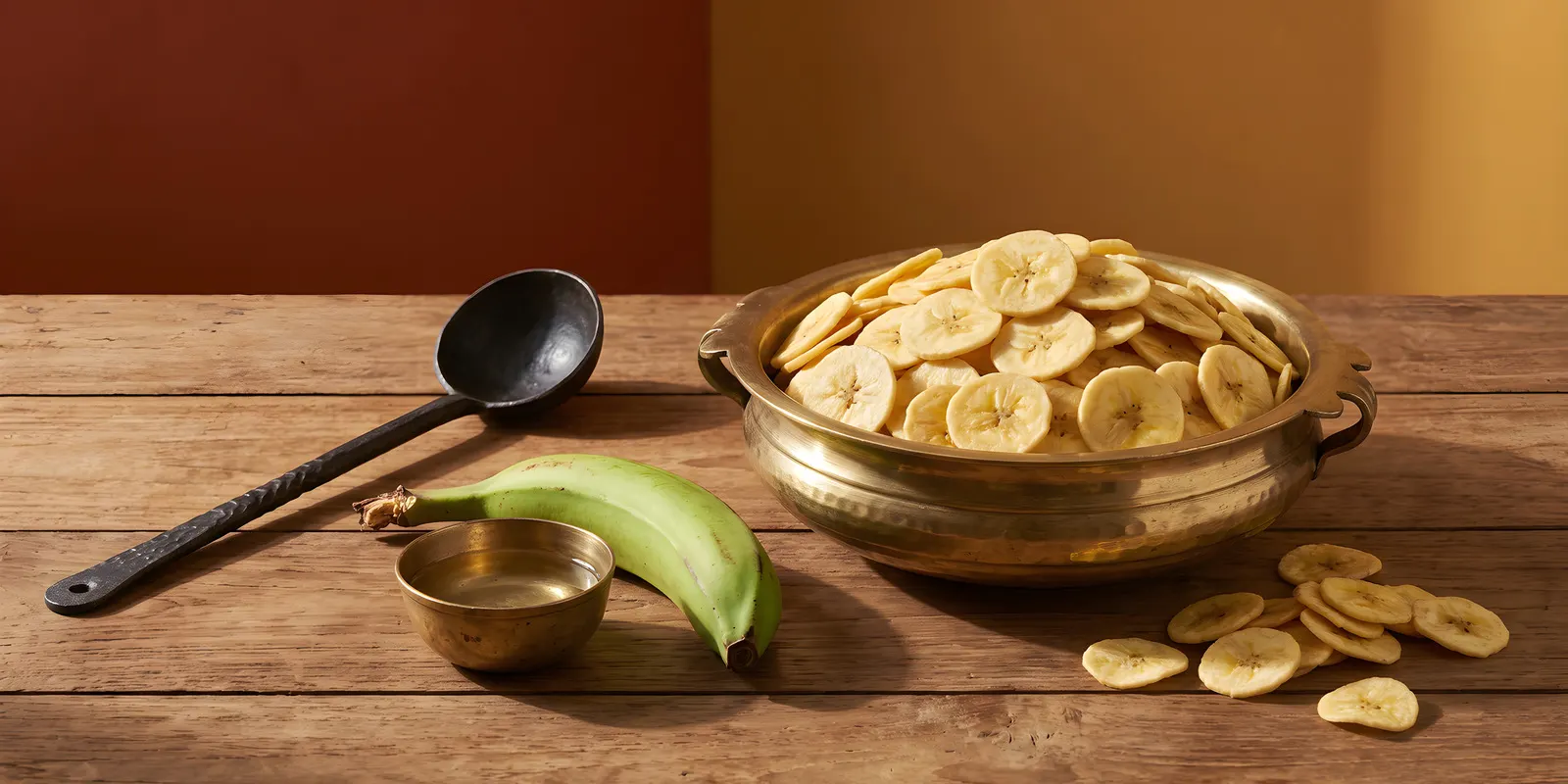
Close your eyes for a moment. Imagine the sound of coconut oil crackling in a deep iron cheena chatti, the golden aroma filling a warm Kerala kitchen, and the satisfying crunch of a freshly fried banana chip breaking between your teeth. If you grew up in South India, this isn't just a snack. it's a memory.
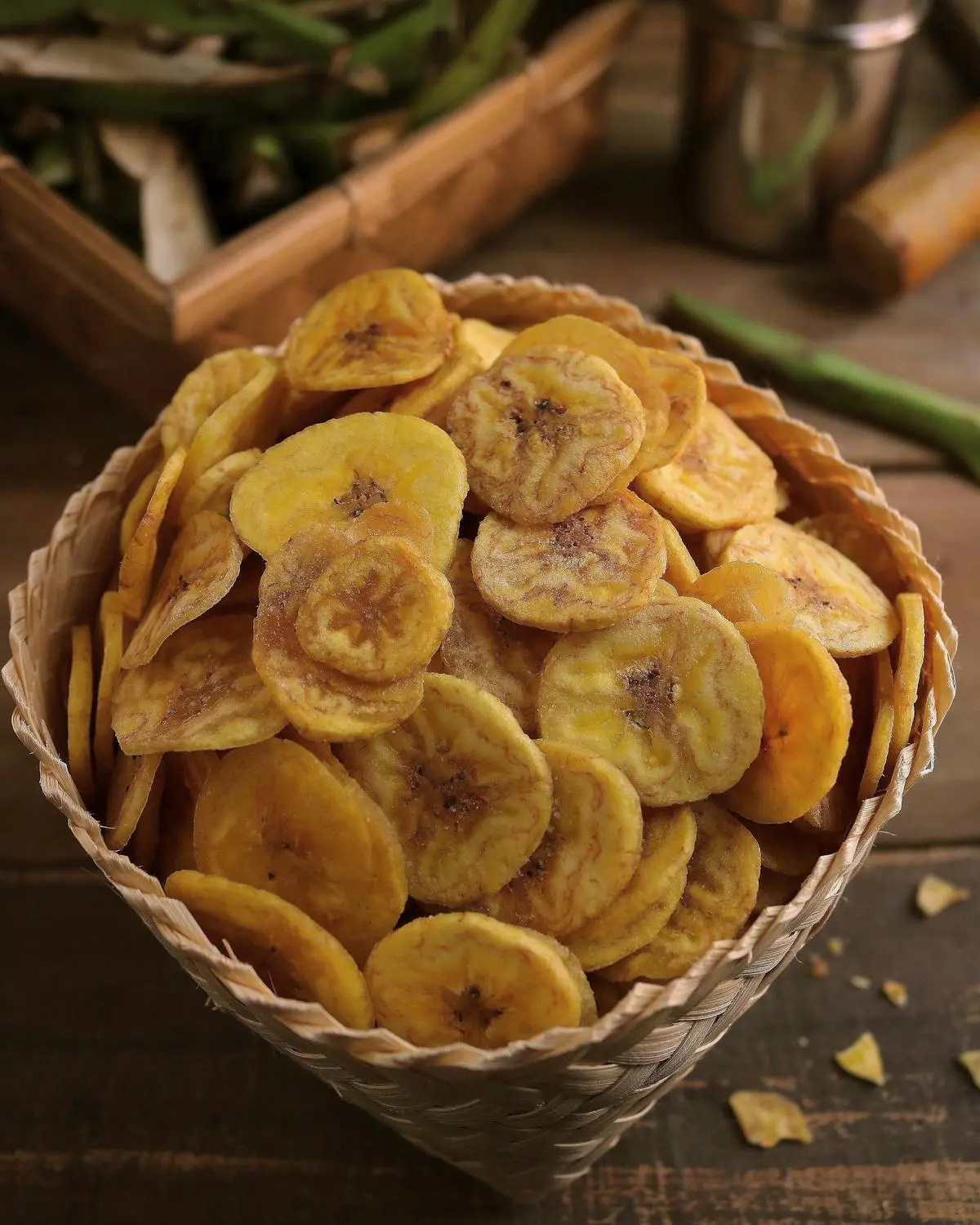
Malabar banana chips. or ethakka upperi, as we call them in Kerala. are more than just a teatime companion. They carry within them centuries of culinary tradition, the richness of coconut oil, and the soul of a region that turned a simple fruit into one of India's most iconic snacks.
Today, we're peeling back the layers (quite literally) of what makes Malabar banana chips so special. from the ancient techniques that shaped them to the modern snack revolution they're leading.
Here's something that might surprise you: the deep-frying technique behind banana chips traces back roughly 2,000 years to Apicius, an ancient Roman cookbook. Those early cooks used olive oil to fry plantains. a technique that eventually travelled through trade routes to Southeast Asia and found its spiritual home in South India.
Kerala, with its abundant banana plantations and endless coconut groves, was the perfect cradle for this snack. The Malabar coast, known for its spice trade and maritime connections, became the epicentre of banana chip making. Local cooks swapped olive oil for coconut oil, Roman plantains for the native Nendran banana, and what emerged was something entirely new. ethakka upperi.
The word 'upperi' comes from the Malayalam verb 'to fry.' When a Keralite says 'ethakka upperi,' they specifically mean banana chips fried in coconut oil. no substitutes accepted.
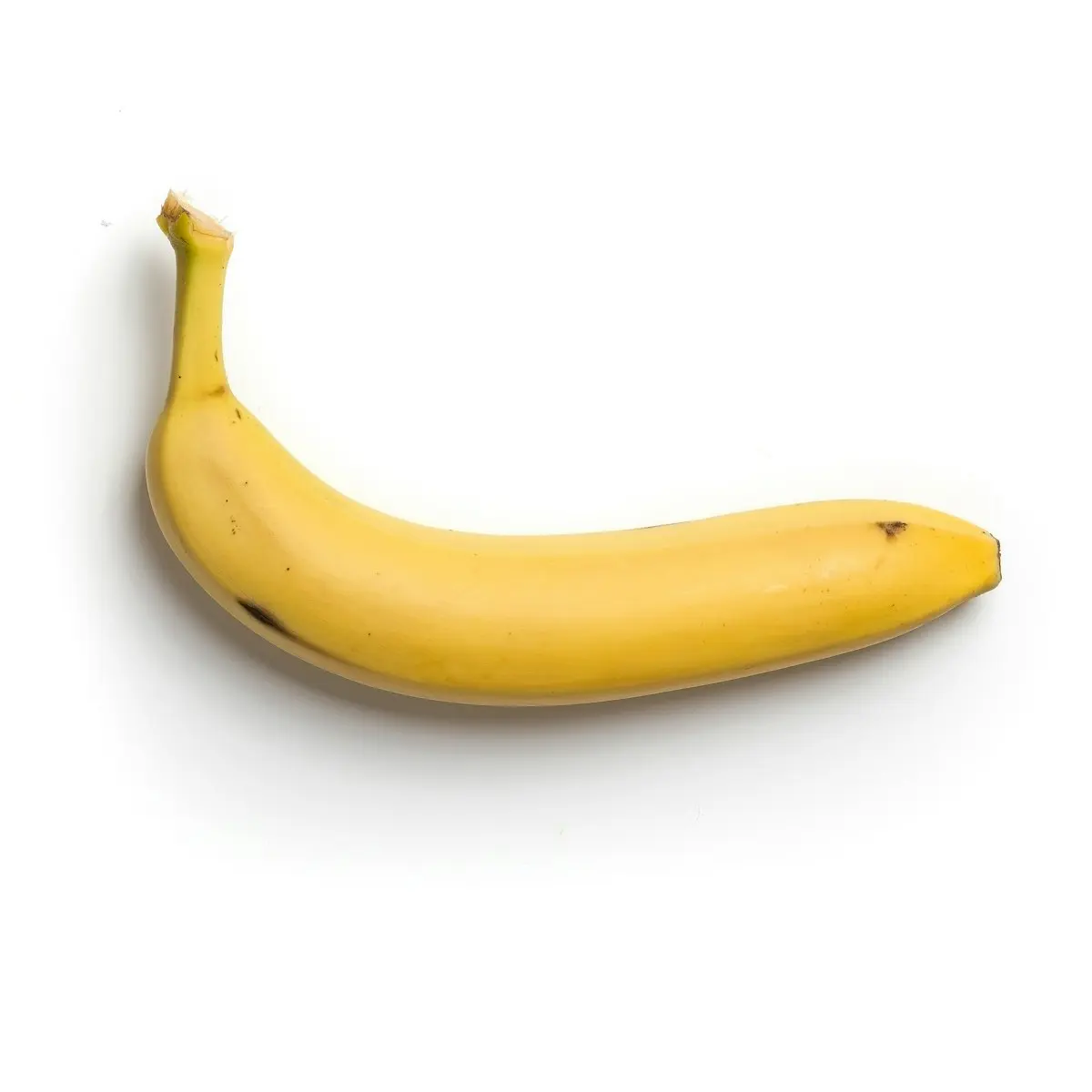
Not all bananas are created equal, and the Nendran banana is living proof. Also called the 'Kerala banana,' this large, firm, slightly angular fruit has been growing wild in Southern India since ancient times. And there's a reason chip makers refuse to use anything else.
It's the starch that matters. Nendran bananas contain about 41g of carbohydrates per 100g. the highest among all Kerala banana varieties. This high starch content is exactly what creates that signature crunch when the slices hit hot coconut oil. Regular bananas? Too soft, too sweet, too mushy. Nendran stands firm.
But the Nendran isn't just a one-trick banana. It's a staple across Kerala cuisine. boiled as a breakfast side, mashed into baby food, fried as pazham pori (banana fritters), simmered into payasam, and of course, sliced paper-thin for upperi. It's the most versatile ingredient in a Kerala kitchen.
Nutritional snapshot (per 100g raw Nendran): 89 kcal, 41g carbs, 2.6g fibre, 358mg potassium, plus vitamins A, C, and B6. The green variety has a glycaemic index of just 30-35, much lower than regular bananas (51).
Making authentic Malabar banana chips isn't complicated, but it demands patience, precision, and a few techniques that have been whispered from grandmother to granddaughter for generations. Here's the traditional process:
Step 1. The Selection: Only raw, green Nendran bananas make the cut. Ripeness is the enemy here. even slightly yellow bananas will produce soggy, sweet chips instead of crispy, savoury ones.
Step 2. The Slice: Traditionally, chips are sliced using an aruvamanai. a curved blade mounted on a wooden board. The cook sits on the floor, holds the peeled banana against the blade, and pushes down to create paper-thin, uniform rounds of about 1-2mm thickness. This tool is uniquely Kerala.
Step 3. The Turmeric Bath: Freshly sliced rounds are soaked in turmeric water. This isn't just for colour. turmeric acts as a natural preservative and adds a subtle earthy undertone to the flavour.
Step 4. The Coconut Oil Fry: Here's where the magic happens. Pure coconut oil is heated in a deep iron cheena chatti (wok). The dried slices go in batch by batch, dancing in the oil until they turn golden.
Step 5. The Secret Salt Sprinkle: This is the technique that separates Kerala chips from every other banana chip on the planet. Midway through frying, the cook carefully sprinkles salt water directly into the hot oil. Yes, water into hot oil. it splatters, it hisses, and it looks dangerous. But this ancient trick seasons the chip from the inside out and extracts residual moisture, making them impossibly crispy.
The salt-water sprinkle is not just a technique. it's an act of faith. Every Kerala home cook knows the exact moment to do it, the exact amount, and the exact distance to keep their hand from the oil. It cannot be taught from a book. It must be lived.
Walk into any supermarket in India and you'll find a dozen brands of banana chips. But ask anyone from Kerala, and they'll tell you. those aren't real banana chips. Here's why Malabar banana chips exist in a league of their own:
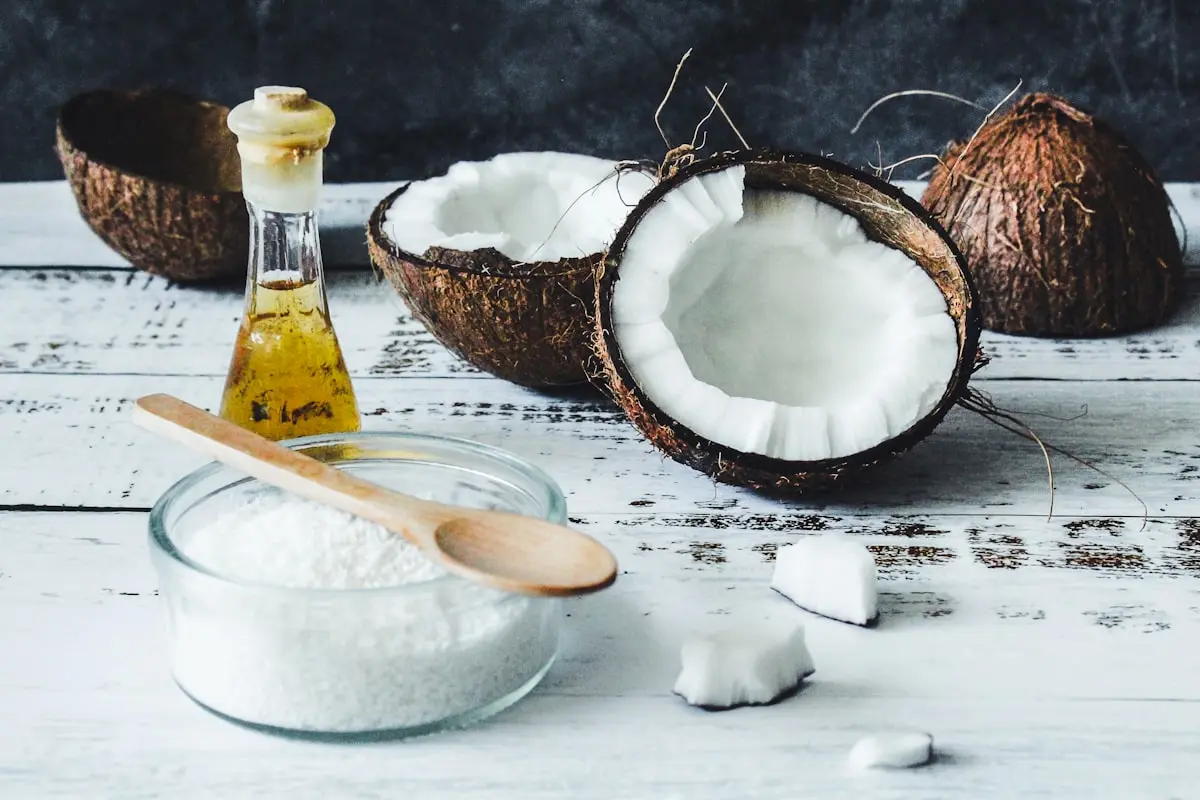
The coconut oil is non-negotiable. Commercial chips often use refined palm or sunflower oil. Malabar chips use 100% coconut oil. ideally cold-pressed (chekku enna). This gives them their unmistakable aroma, golden hue, and a flavour profile that no other oil can replicate. Coconut oil also contains lauric acid (about 50% of its composition), which has natural antibacterial properties.
Zero trans fat. Unlike chips fried in partially hydrogenated oils, coconut oil-fried banana chips contain zero trans fat. The oil solidifies slightly at room temperature, giving the chips a less greasy feel compared to potato chips.
Minimal ingredients, maximum flavour. Traditional Malabar banana chips contain exactly four ingredients: Nendran banana, coconut oil, turmeric, and salt. No preservatives, no MSG, no artificial colours, no flavour enhancers. Just honest food.
In Kerala, banana chips aren't just snacks. they're cultural markers. They appear at every significant moment in life:
Onam Sadya: The grand harvest festival feast, served on banana leaves with 26+ dishes, always features banana chips. And they're not an afterthought. upperi is among the first items placed on the leaf, alongside pickles and salt, before any other dish is served. That's how revered they are.
Vishu, weddings, and temple festivals: No celebration in Kerala is complete without a batch of freshly fried chips. The golden colour of upperi is sometimes likened to gold coins. a symbol of prosperity.
Everyday ritual: In most Kerala homes, banana chips are the default companion to evening chai or filter coffee. Guests arriving unannounced? Out comes the steel dabba of upperi. It's the ultimate gesture of hospitality.
The souvenir factor: If you've ever taken a train from Kerala, you know. every platform vendor sells banana chips. They're the most popular edible souvenir tourists carry home. A packet of Kerala banana chips is basically a postcard you can eat.
What was once a humble homemade snack is now a booming global industry. The banana chips market hit $1.5 billion worldwide in 2025 and is projected to reach $2 billion by 2030. Asia-Pacific leads with over 41% of global revenue. and India is at the heart of it.
Indian brands are reimagining banana chips for a new generation. Beyond Snack, a Kerala-based startup that appeared on Shark Tank India, hit ₹52.9 crore in revenue in FY2025 and is present in 12 countries. They're targeting 10% of India's entire chips market. yes, including potato chips.
The flavour game has exploded too. Beyond the classic salted variety, you'll now find:
But here at Faaro, we believe in something simpler. The best banana chips don't need gimmicks. They need the right banana, the right oil, and the right hands.
Every batch of Faaro banana chips is made the way it's been made for generations. with hand-selected Nendran bananas, cold-pressed coconut oil, and the time-honoured techniques of South Indian kitchens. No shortcuts. No compromises. No refined oils hiding behind fancy packaging.
We're not trying to reinvent the banana chip. We're trying to protect it. to make sure that when you bite into a Faaro chip, you taste Kerala. The crackle of coconut oil, the warmth of turmeric, the honest crunch of Nendran. That's it. That's everything.
Want to taste the difference? Explore our collection of handcrafted Malabar banana chips. made fresh, shipped fast, and crafted with love from South India.
From ancient Roman kitchens to Kerala's iron woks, from grandmother's steel dabba to a $1.5 billion global market. the banana chip has had quite a journey. But at its heart, it remains what it always was: a simple slice of banana, kissed by coconut oil, made with care.
And that's a story worth crunching on.
Malabar banana chips, known in Malayalam as ethakka upperi, are thin slices of green Nendran plantain fried in coconut oil and salted. They come from Kerala's Malabar region and differ from sweet dried banana chips in being savoury, crisp and made from a cooking plantain.
Three things combine: the Nendran plantain, which has the starch content to fry into a rigid crisp; coconut oil, which is stable at frying heat and adds its own aroma; and hand-slicing directly into the oil, which gives uneven thickness and a more varied texture than machine slicing.
Yes. Upperi is a standard component of the Onam sadya, served on the banana leaf alongside sharkara varatti, the jaggery-coated variant. For many Kerala households making upperi in quantity is part of the Onam preparation itself.
Share this article
Keep Reading
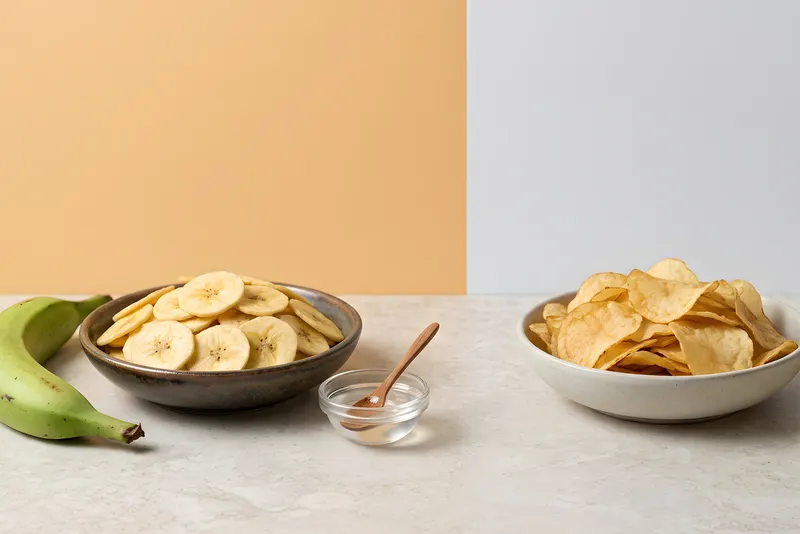
An honest, data-backed comparison of Kerala banana chips and potato chips. We break down the calories, fats, fibre, oils, and ingredients without the marketing fluff.
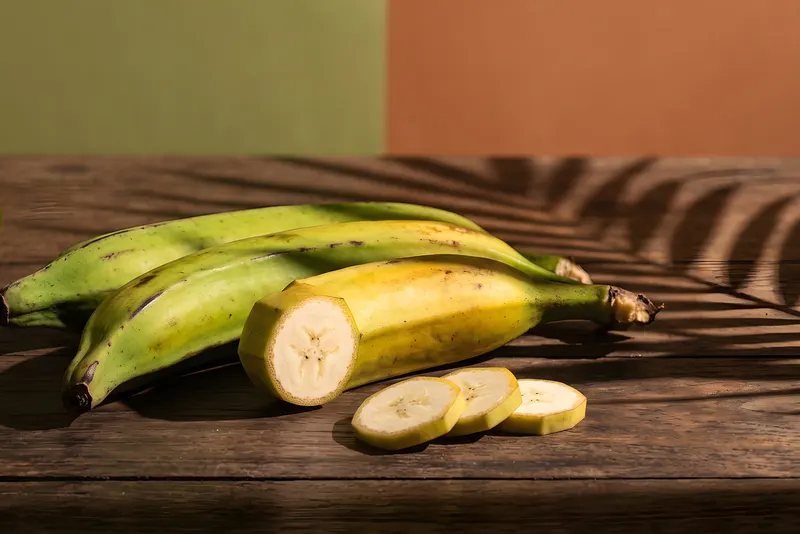
The Nendran banana is not a fruit — it is a cooking ingredient. With 41g of carbs per 100g and unmatched starch content, here is why no other banana can replicate its crunch.
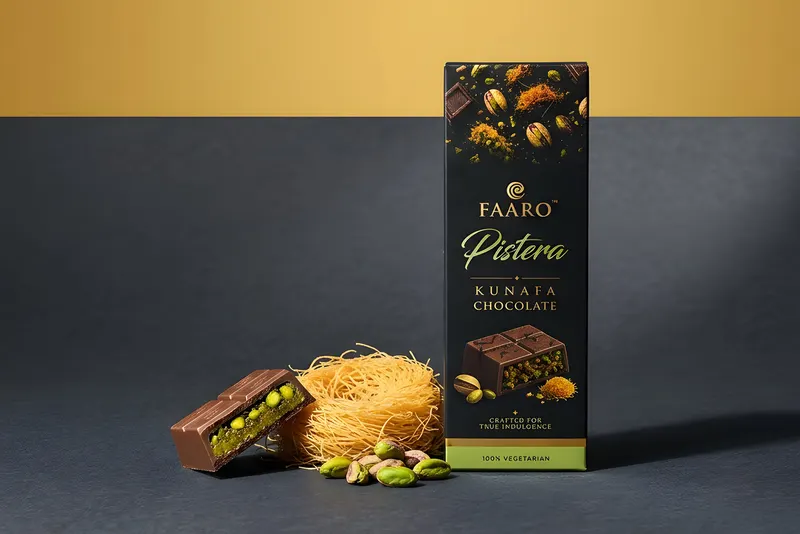
The viral pistachio-kunafa bar, explained — what Dubai chocolate is, why it exploded across South India, what it tastes like, and where to buy a proper one in India.